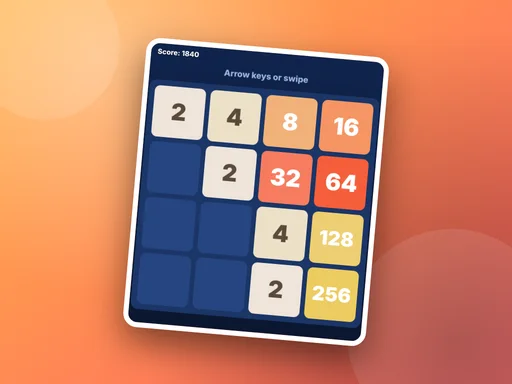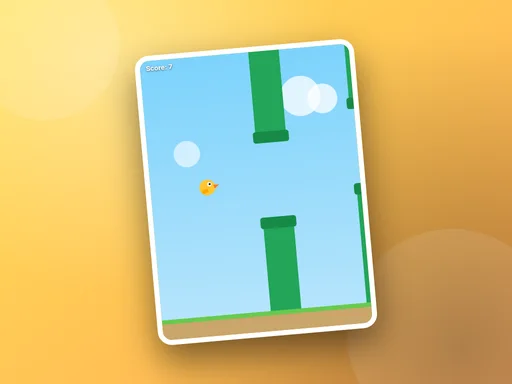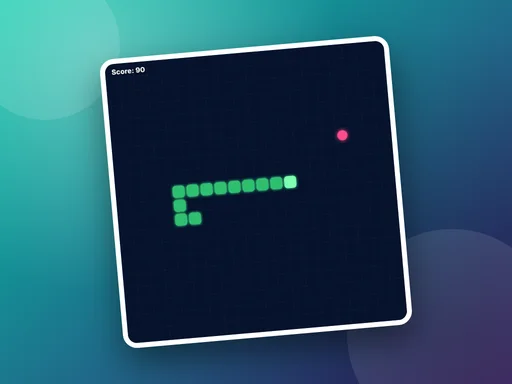
What Are HTML5 Games and Why Do They Run Everywhere?
HTML5 games run in the browser you already have. Here is how they work and what that means for you as a player.
Some games survive because they are easy to learn and impossible to exhaust. The four below have all been played for well over a century — one of them for far longer — and each is in our collection as an HTML5 game you can play against the computer.
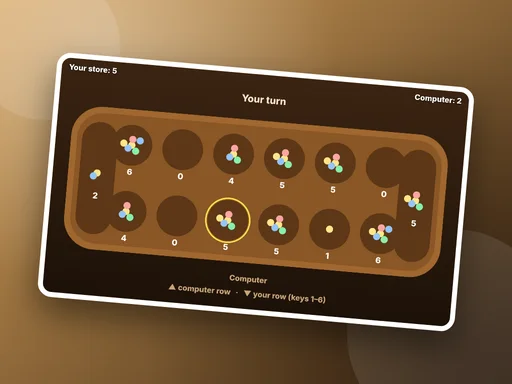
Mancala is a family of sowing games played across Africa, the Middle East and Asia, and it is counted among the oldest board games still in use. Our Mancala follows the widely played Kalah rules: sow the stones from one pit around the board, earn another turn by finishing in your own store, and capture by landing in an empty pit on your side. Tip: at the start, the pit that is exactly as many steps from your store as it has stones gives you a free extra move.
Reversi was first published in England in the 1880s. You trap a line of your opponent's discs between two of your own and flip them all. In Reversi the lead can swing wildly in the last few moves. Tip: corners can never be flipped, so do not hand them over — which mostly means staying off the squares next to an empty corner.
Gomoku, or five in a row, comes from East Asia and is traditionally played with the stones and board of Go. The aim in Gomoku could not be simpler: an unbroken line of five. Tip: a row of three with both ends open must be answered at once; a row of four with both ends open has already won. Look for a move that makes two threats together.
Nim is a game of taking objects from piles, and it holds a place in the history of mathematics: a complete winning method was published in 1901. In Nim Stones whoever takes the last stone wins. Tip: try to leave your opponent two equal piles. Whatever they take from one, you copy on the other.
Because an opponent is always available, set-up takes no time, and you can replay a position as often as you like to see what you missed. When you have the hang of a game, find a real board and teach it to someone. You will find these and others under Board Games and Strategy.
HTML5 games run in the browser you already have. Here is how they work and what that means for you as a player.
Stuck around the 256 or 512 tile? These five habits make a real difference in merge puzzles like Tile Fusion.
The same browser game can feel very different on a phone and on a desktop. Here is how to match the game to the device.